Choose your roof type — we’ll show you the right solar installation method.
Roof type drives everything: how we mount, how we waterproof, how we manage wind uplift, and how we keep your installation clean and beautiful for decades. Pick your roof below to see real ABC Solar photos and our field-proven approach.
Roof types we install on every week
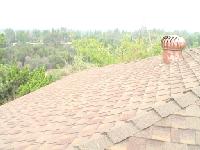
Composition Shingle
Standard residential roof. The key is proper mounting feet, flashing, and waterproofing that stays solid through decades of heat cycles.
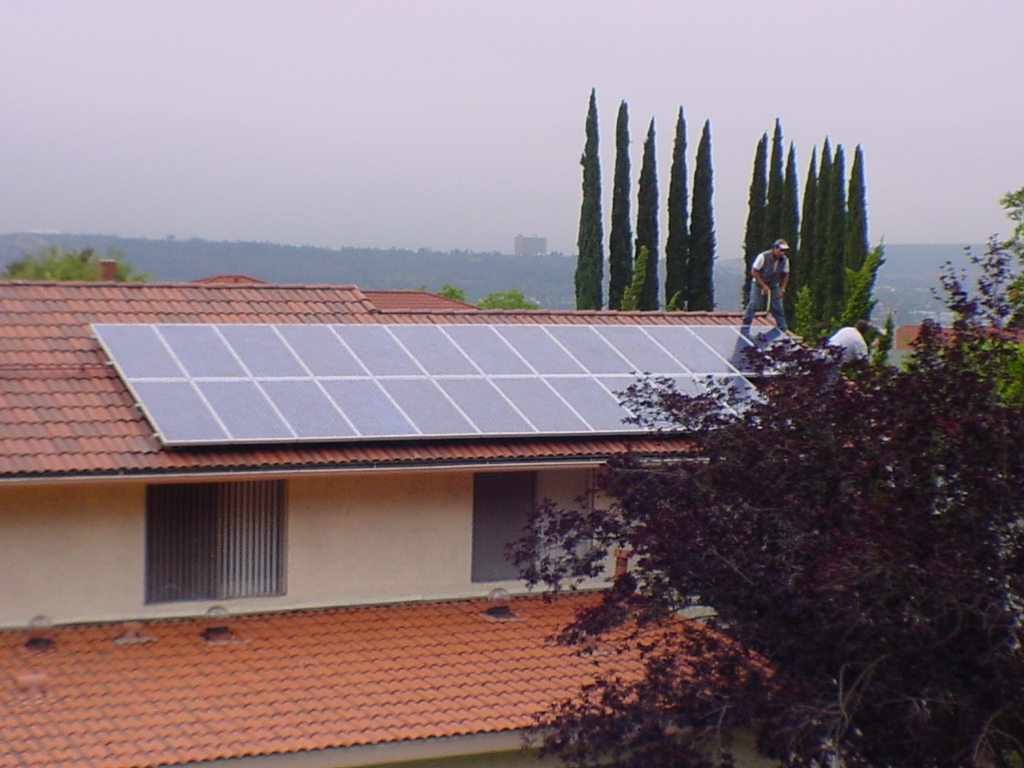
Spanish Tile
Tile requires a clean approach: remove specific tiles, install mounts on structure, then return tiles with correct clearances and watertight details.

Old Spanish Tile
Older tile can be heavy and fragile. The strategy often includes selective removal, weight management, and rebuilding a durable waterproof layer.
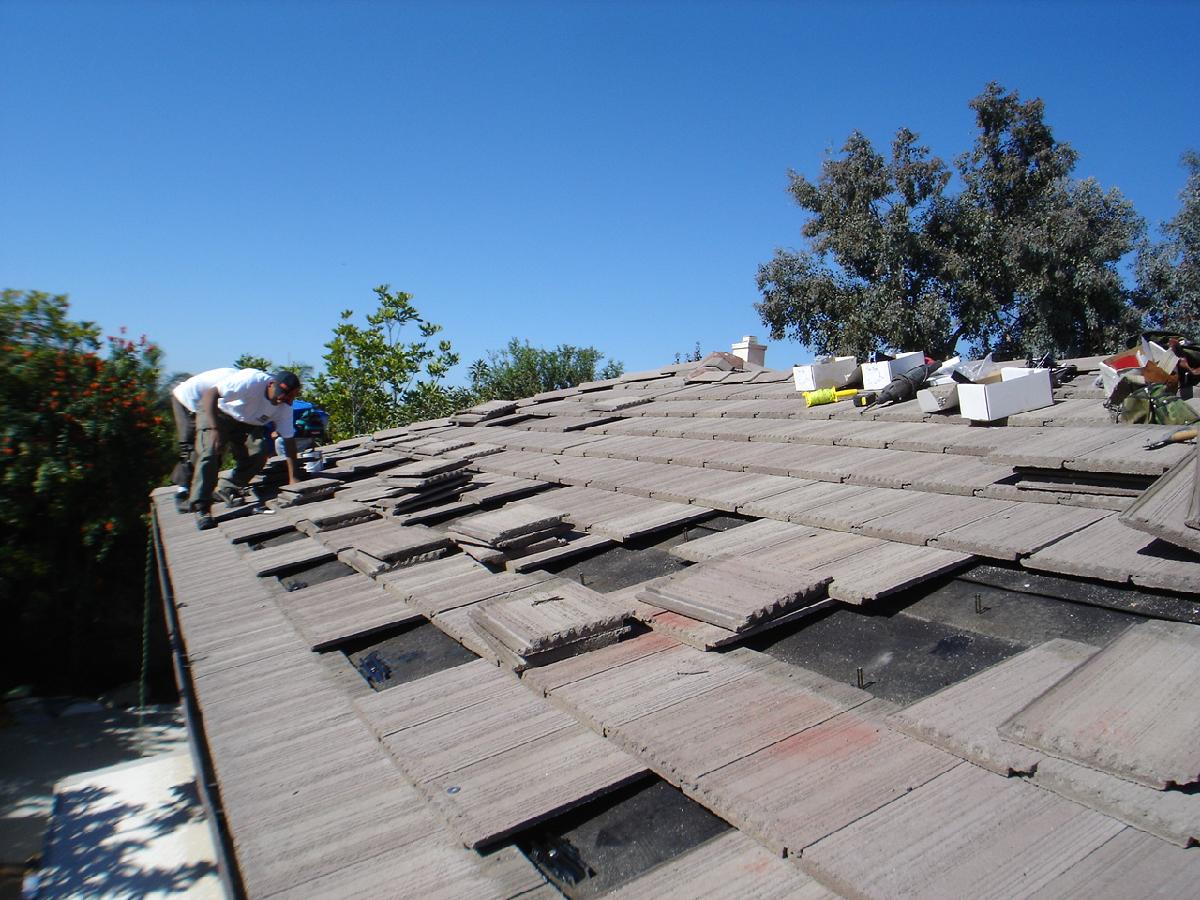
Concrete Tile
Concrete tile installs can look incredible when done right. Proper mount layout + correct tile returns = a factory-clean look.

Flat Roof
Flat roofs are all about tilt, wind, and waterproofing. We also consider TOU timing (often S/SW) to align production with your bill.
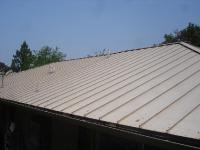
Standing Seam Metal
Often the cleanest metal roof option: clamp-based attachments can minimize penetrations. The main penetration is usually the conduit path.
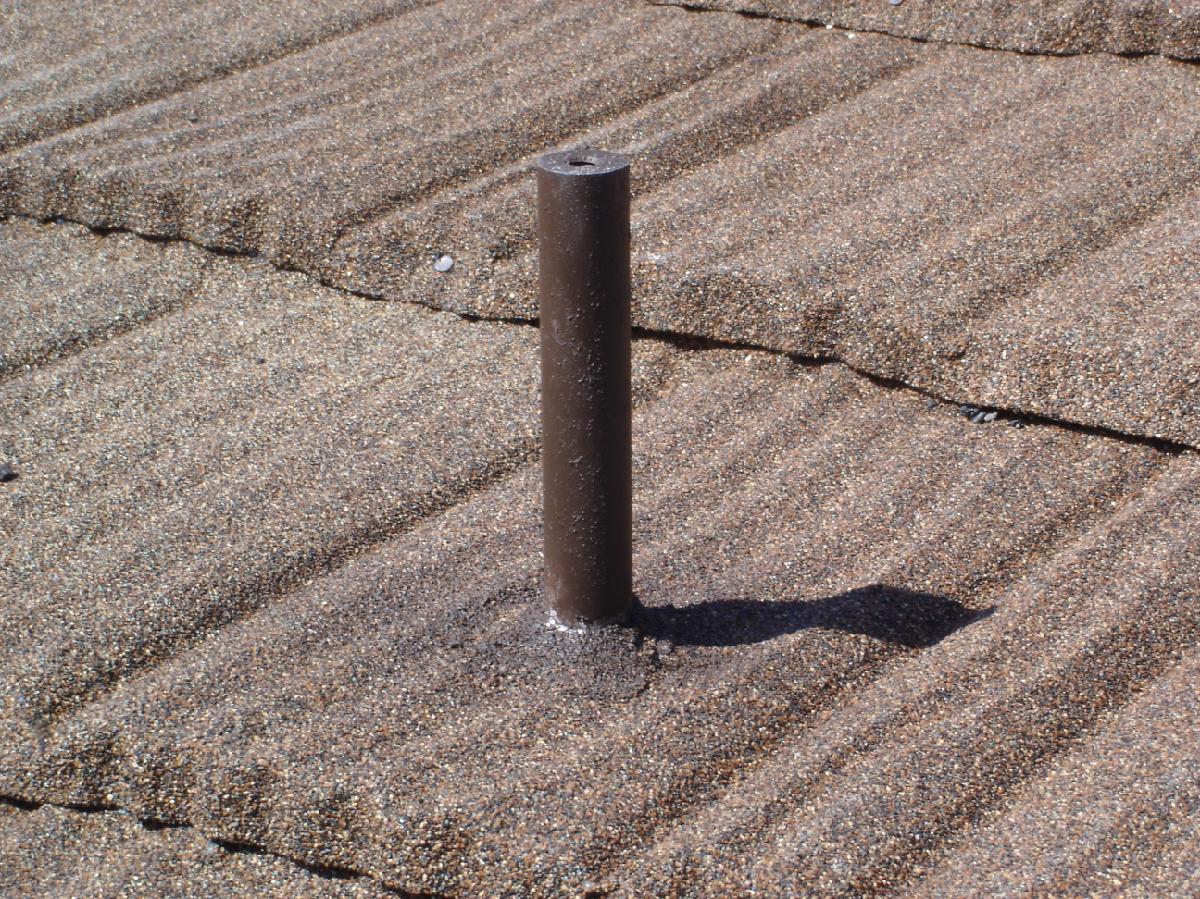
Stamped Metal Roof
Great on new construction when solar is planned early. The win is coordinating mounts, roof paper, and final roofing so everything lands tight and sealed.
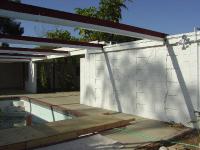
Unique Roof / Special Structures
I-beams, patio covers, pool structures, architectural features—this is where experience matters. We design sub-structures that are strong, serviceable, and clean.
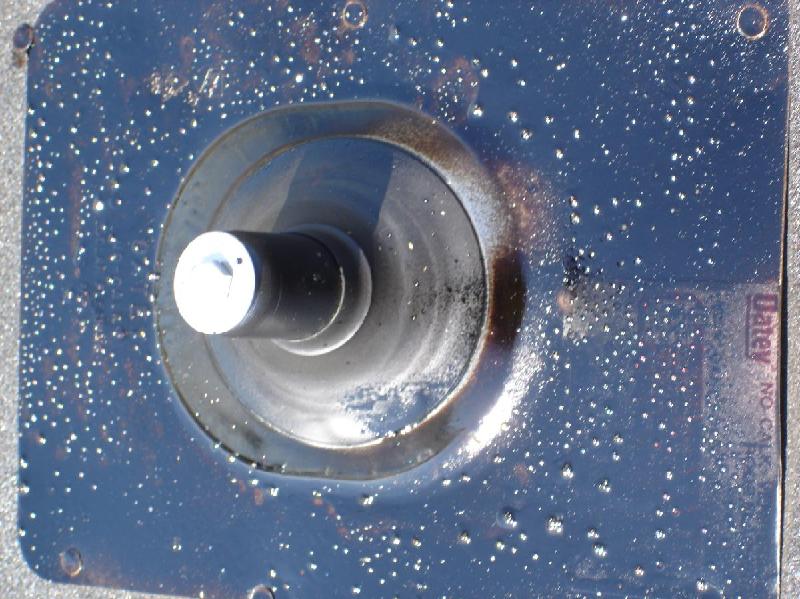
New Construction (Homes + ADUs)
Best-in-class results come from planning at the plywood stage: correct mount layout, wire pathways, batteries, and service upgrades—especially for ADUs.
How to choose the right approach (fast)
1) Roof integrity comes first
- If the roof is near end-of-life, solar should be paired with a roof plan (repair, partial re-roof, or full re-roof).
- We care about structure: rafters/trusses, sheathing, and real attachment—because wind uplift is real.
- Leak prevention is not “a product” — it’s craft: correct flashing + correct execution.
2) Performance is a layout problem
- Shade analysis (trees, chimneys, parapets) can make or break a design.
- Panel placement is a balance: aesthetics, production, and serviceability (leave access paths where needed).
- We plan conduit runs intentionally so the finished system looks clean, not improvised.
Ready to talk with a designer?
Call our service & design team and tell us your roof type, city, and your goal (bill reduction, backup power, EV charging, ADU build, or all of the above). We’ll guide you to the right next step.